Most English speakers have never heard the French word sabord. In English, it simply means gunport—the opening in the side of a wooden warship through which a cannon fired. Discover the history of this centuries-old French naval term, its connection with the verb saborder ("to scuttle"), and why it inspired the name SABORDS®.
What Is a Sabord?
What Does the French Word "Sabord" Mean?
The Story Behind the Name SABORDS®
If you've ever seen the famous French expression:
"Mille millions de mille sabords!"
you may have wondered what the word sabord actually means.
Outside the French-speaking world, very few people know this word because it has no direct equivalent in everyday English.
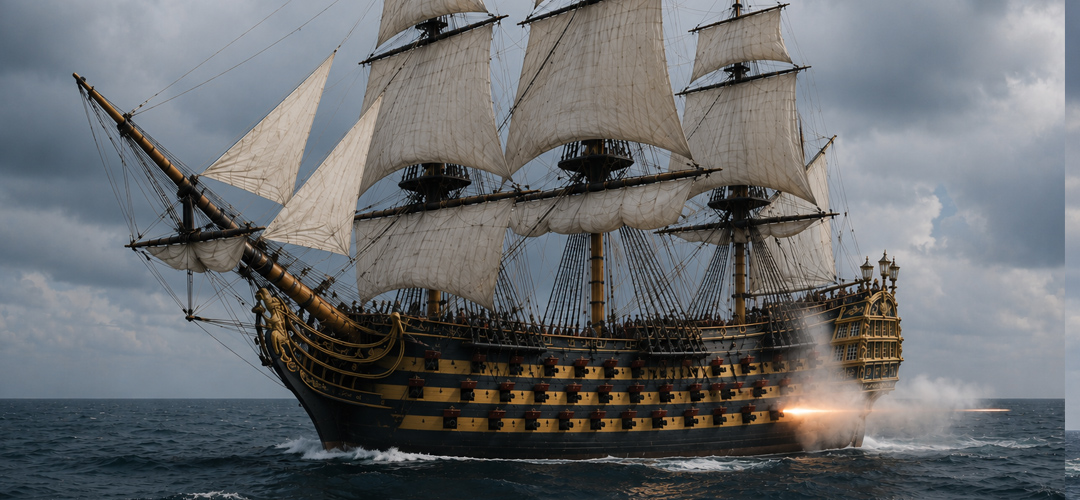
In English, a sabord is called a gunport.
It is the opening cut into the side of a wooden warship through which a cannon could fire.
The French word sabord has been part of naval vocabulary for centuries and is the origin of the name SABORDS®.
What Is a Gunport (Sabord)?
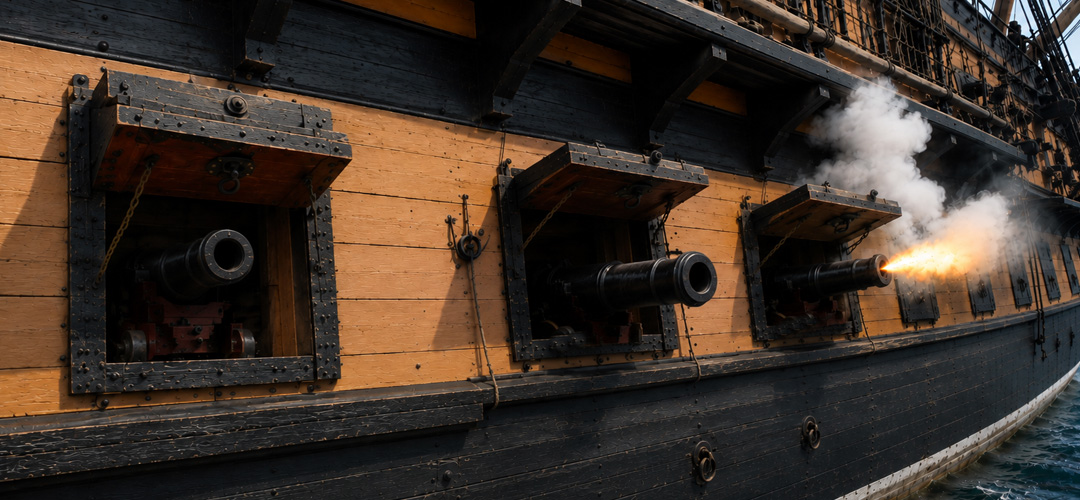
A gunport—called a sabord in French—is an opening built into the hull of a sailing warship to allow a cannon to fire.
When the ship was not in combat, the opening was closed by a heavy wooden hatch known as a gunport lid.
Before battle, the lids were raised, the cannons were run out on their wheeled carriages, and they fired through the gunports.
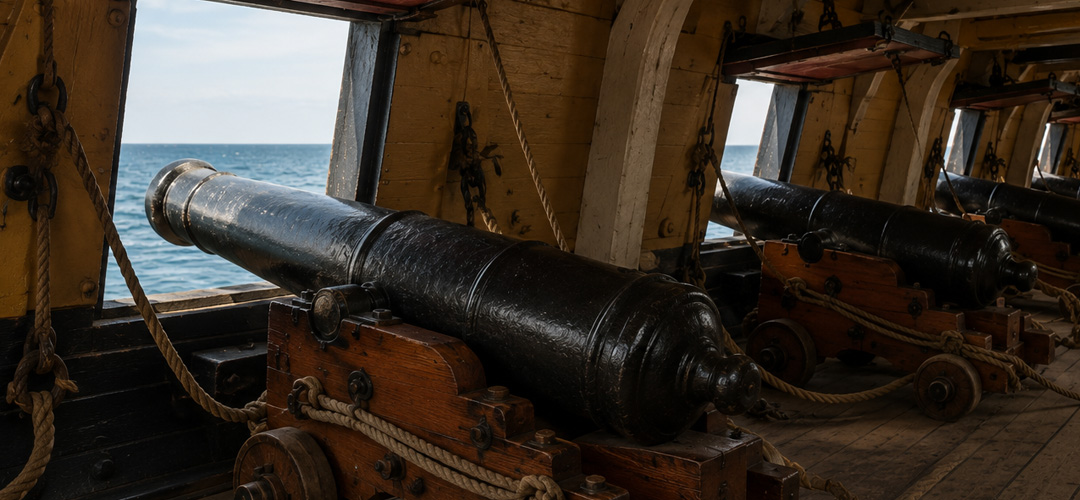
On the great ships of the line, dozens of gunports were arranged across several gun decks.
When an entire broadside fired simultaneously, the result was one of the most impressive displays in naval history.
A Famous French Expression
French readers immediately recognize the word sabord thanks to Captain Haddock from The Adventures of Tintin.
His famous exclamation:"Mille millions de mille sabords!"
has introduced generations of readers to this old French naval word.
Although many people know the expression, few realize that sabord is an authentic maritime term meaning gunport.
The French Verb "Saborder"
The French verb saborder comes directly from the word sabord.
Originally, it meant to deliberately sink your own ship to prevent it from being captured by the enemy.
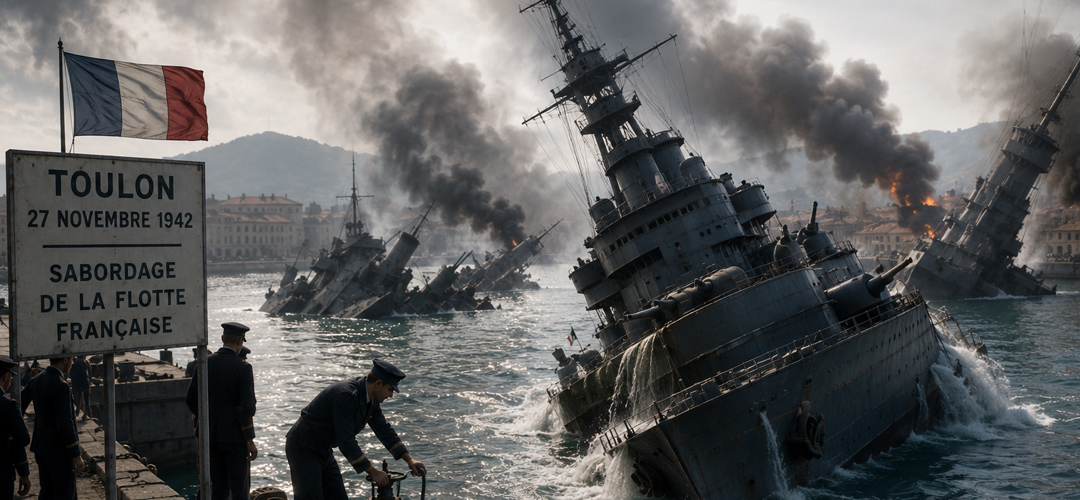
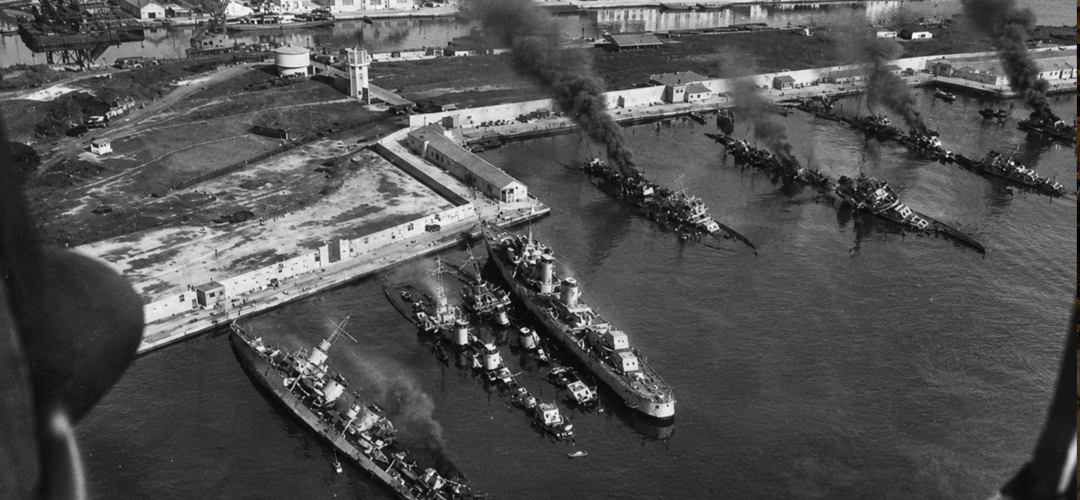
One of history's most famous scuttlings is :
- Toulon (1942): the French fleet was scuttled to prevent its capture.
Today, the word is also used figuratively in French.
Someone can saborder a project, a business, or even a career by causing its own failure.
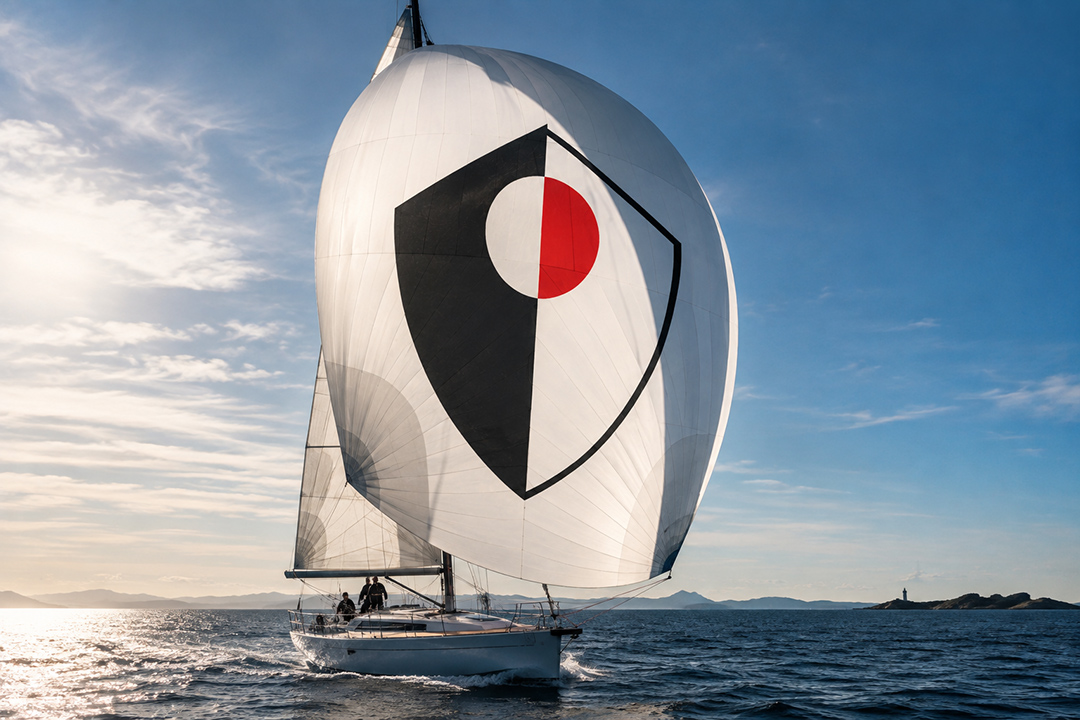
SABORDS Is Also a Brand Born from Storms and an Atlantic Crossing
Long before it became a patented invention, SABORDS was born in the middle of a sailing adventure.
At the age of twenty, I set sail across the Atlantic Ocean in the middle of winter. Storms, night watches, and life at sea became part of everyday life. During that voyage, the first ideas began to take shape—ideas that, years later, would become the SABORDS invention.
→ Discover the complete story of my Atlantic crossing.